How Often Should Pest Control Be Done in Brampton Homes?
If you’re trying to figure out how often pest control Brampton homes actually need, the quick answer is: it depends on the pest, the property, and the time of year. Many homes only need a quarterly service or a few seasonal pest control visits, while others benefit from a more proactive service plan with monitoring, inspection, and follow-up visits. The right frequency usually comes down to risk factors, the level of infestation pressure, and whether the goal is an active pest infestation response or long-term prevention.
In Brampton, the best schedule is rarely the same for every home. A suburban detached home with an older foundation may need different preventive treatment than a newer townhouse with shared walls. Brampton’s four-season climate also matters: freeze-thaw cycles, damp spring conditions, and colder fall weather can all change pest activity and push rodents indoors. In many cases, the smartest approach is integrated pest management rather than relying on one-off treatments alone.
Mosquito Man Brampton16 Rutherford Rd S Unit 203, Brampton, ON L6W 3J1, Canada
https://mosquitoman.ca/
+16472437241
P726+M5 Brampton, Ontario, Canada
https://maps.app.goo.gl/yYb1hcQZ8RbdgabW8
What determines the frequency of pest control in Brampton?
For pest control Brampton homeowners should look at frequency as a reaction to the property, the pest problem, and the seasonality of local pest activity. A home with recurring sightings, food sources, or easy access points will need more frequent attention than https://toronto-onem442.swiftnestly.com/posts/pest-management-in-brampton-nearby-solutions-pricing-and-choosing-the-right-one a tightly sealed property with low activity.
One major factor is property type. Detached homes in Brampton often have more exterior access around the property perimeter, plus garages, basements, crawl spaces, and attic voids that can create hideouts. Townhomes and stacked units can have higher transfer risk because pests may move through shared walls, utility chases, or common areas. Newer subdivisions may have fewer structural gaps, but construction settling can create entry points over time, especially around vents, utility lines, and door thresholds.
Seasonality also affects how often service is needed. In spring and summer, ants and other insects are more active, and in fall and winter rodents often move indoors looking for warmth and food. Brampton homeowners should also keep in mind local Peel Region conditions: dense neighbourhoods, multi-unit housing, and shared boundaries can increase the chance of pest transfer from one property to another.
Other key risk factors include:
- Kitchen storage and kitchen sanitation
- Moisture problems in basements, laundry rooms, or bathrooms
- Nearby landscaping, garbage storage, or compost
- Unsealed cracks, utility gaps, and attic openings
- Previous pest history or recurring problems
That’s why a licensed exterminator will often recommend a schedule based on inspection results rather than a fixed calendar alone. A good program includes inspection, exclusion, baiting, targeted residual treatment, and regular monitoring so the plan matches the actual problem.
How often should different pests be treated?
Various pests need different timelines. A home with rare ants does not need the same frequency as a property with an established rodent problem. Here’s a useful way to think about common pests in Brampton.
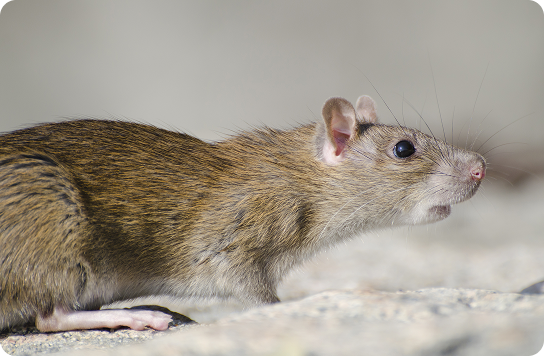
Mice control Brampton is often the most immediate because rodents breed rapidly and can travel across attics, basements, and wall voids. For active rodent issues, initial treatment is often followed by a follow-up visit within a tight timeframe to check traps, evaluate activity, and reinforce exclusion. Ongoing rodent control may then move to seasonal or quarterly checks, especially if the home has older construction, garage access, or a history of gaps around the foundation.
Ants are usually more seasonal. A single treatment may handle a small indoor issue, but recurring ant pressure often needs a broader approach that includes sanitation, exterior perimeter treatment, and sealing entry points. If ants return every spring or after heavy rain, a seasonal prevention schedule can be more helpful than waiting for an obvious pest infestation.
Cockroaches generally require more ongoing intervention because they hide well, reproduce quickly, and thrive in moisture and food debris. A property with cockroach activity often benefits from a structured service plan with repeat visits, monitoring devices, and sanitation recommendations. In many cases, one treatment is not enough because cockroaches can survive if even a few harbourage areas are missed.
Bed bugs usually demand the most thorough response. This is not a pest where homeowners should think in terms of annual or seasonal maintenance only. Bed bug control often requires multiple treatments, close inspection, and follow-up visits to confirm elimination. Because bed bugs spread easily through luggage, furniture, and multi-unit settings, fast action is important.
Additional frequent pests may need different timelines:
- Sometimes encountered wasp nests may call for a one-time service
- Web-spinning pests and occasional invaders may react favorably to seasonal exterior treatment
- Rodent activity often requires the greatest focus on exclusion and inspection
For a lot of households, the most effective option is not handling every pest on the same timeline, but adjusting the frequency to the pest’s biology and the home’s exposure level.
Is scheduled pest control enough in Brampton?
For a lot of Brampton homes, periodic pest control can be enough if the property has low pest pressure, no major background of infestation, and strong preventive measures in place. A seasonal approach usually means visits timed around the four main weather patterns: the spring season, summertime, autumn, and the winter season.
In the spring season, pests become more active after colder months. This is a typical time for ant activity, moisture-related insects, and basic exterior inspection. It’s also a smart season for checking seals, screens, and openings around the home after winter weather.
The summer season often brings peak insect activity. Warm temperatures can increase pressure from ants, wasps, spiders, and other crawling pests. If you use outdoor living spaces, seasonal service can help reduce activity around decks, patios, and entry doors.
Autumn is especially important in Brampton because freeze-thaw cycles and dropping temperatures often push rodents indoors. This is when mice and rats look for warmth in attics, basements, garages, and wall voids. In many homes, fall is the crucial time for rodent control and exclusion.
Winter does not mean pest activity stops. Rodents can remain active indoors, and hidden pest issues may become more obvious once outdoor food sources disappear. Winter is also a valuable time for inspection and monitoring, especially if you noticed signs during fall.
For many Brampton homeowners, seasonal service works best when it includes more than spraying. A strong seasonal schedule should combine inspection, preventive treatment, sanitation advice, and sealing entry points.
So is seasonal pest control enough? Sometimes yes, but not always. Homes with recurring activity, shared walls, or previous infestations often need a more frequent service plan.
When do ongoing pest control plans make sense?
Regular service is worth considering when the goal is long-term prevention rather than only responding after pests appear. If a home has repeated rodent issues, ongoing ant problems, or a history of cockroaches, a one-time visit usually won’t solve the underlying cause.
A recurring plan is often a good choice when:
- The home has had more than one pest incidents in the past
- The property has various entry points or challenging-to-seal structural gaps
- There is heavy infestation pressure from neighbouring homes
- The property is in a dense area of Peel Region with shared walls or close lot lines
- Food handling, moisture, or storage issues raise risk
Recurring plans typically include regular inspection and monitoring, with treatment modified as needed. A technician may use baiting for rodents, perimeter treatment for crawling insects, and targeted exclusion work to reduce future access. This is especially useful for homeowners who want a predictable service interval instead of waiting for a new problem to appear.

Newer homeowners in Brampton often select recurring service after the first pest issue because they want reliable protection. That is especially true in townhomes, semi-detached homes, and homes near landscaping, transit corridors, or commercial zones. In these settings, recurring service can reduce the chance that a minor problem becomes a larger pest infestation.
How high does pest control cost in Brampton?
Homeowners searching for pest control Brampton prices usually see that pricing is strongly influenced by the pest, the size of the house, and the service frequency. A one off visit for a limited issue is usually not the same as a organized recurring service plan with multiple visits and follow-ups. The pest control Brampton cost also changes if the job calls for specialized rodent work, attic access, exclusion repairs, or repeated visits for bed bugs or cockroaches.
When comparing costs, it can help to ask what is included in the quote. Some estimates include only the initial treatment, while others include inspection, monitoring, and a follow-up visit. If you are comparing options, make sure you know whether the price includes sanitation advice, sealing work, or a service guarantee.
In many cases, a larger upfront cost can be justified if it reduces repeat infestations. For example, a detailed rodent program may cost more than a quick treatment, but if it includes exclusion, monitoring, and return visits, it may be more effective long term. The same idea applies to recurring plans for crawling insects.
Residents often compare pest control Brampton cost against nearby markets too. It is typical to check pest control Mississauga and orkin Toronto pricing as a reference point, especially if you are trying to understand how service scope and frequency affect cost. Some people also search orkin Mississauga when comparing regionally available service models.
When researching online, you may also see terms like pest control brampton kijiji. While classifieds can seem convenient, they do not always clearly show licensing, service guarantees, or follow-up support. A low initial price is not always a better value if the issue returns.
Which pest management firms do Brampton homeowners compare?
Brampton homeowners often evaluate big national brands and area specialists before selecting a service. Common searches include orkin brampton, orkin canada, and abell pest control brampton. Some also check abell pest control reviews to see how other clients rate service standards, responsiveness, and follow-up.
It is also common to compare broader company coverage, such as abell pest control locations, or to look at other branches like abell pest control windsor and abell pest control collingwood when trying to understand consistency across markets. People sometimes review abell pest control prices as part of their pricing review, especially if they want to know whether a recurring program is a good value.
If you are comparing providers, brand recognition matters a bit less than fit. A company with strong local experience in Brampton may understand seasonal rodent pressure, townhouse transfer risk, and the realities of shared neighbourhoods better than a generic national pitch. That said, a reputable provider should still offer a thorough inspection process, a formal treatment plan, and realistic guidance on follow-up.
You may also find homeowners asking for orkin canada email or other contact details while trying to gather quotes. That is a normal part of the research process, but price alone should not be the deciding factor. Focus on whether the provider explains inspection findings, prevention steps, and any exclusion work needed to make the treatment last.
What neighbourhood signs mean you need treatment sooner?
A few signs mean you should book treatment sooner rather than wait for a regular schedule. The most obvious sign is droppings, especially in kitchens, pantries, cabinets, basements, or along walls. Rodent droppings in particular often indicate active movement through hidden spaces.
Other warning signs include:
- Gnawed food packaging or wiring
- Scratching sounds in the attic or walls
- Smudge marks or rub trails near baseboards
- Visible entry points around vents, doors, pipes, or foundations
- Stale odours or insect activity in the basement
The attic and basement matter especially in Brampton homes because these are common hiding areas for rodents and other pests. Detached homes and older builds may have more access points, while townhomes can hide issues in shared structural spaces. If you spot droppings in either area, do not wait for the next seasonal visit.
Another reason to act quickly is when neighbours report similar problems. In dense Peel Region neighbourhoods, pests can move from one unit to another through shared walls or connected utility spaces. That means one home’s problem can become a nearby home’s problem if it is not addressed promptly.
At the first sign of trouble, a pest inspection can determine whether the issue is isolated or part of a larger pattern. Early action often reduces the amount of treatment required and can prevent a recurring infestation cycle.
How to choose the right pest control in Brampton
Finding the best pest control brampton option means looking beyond ads and asking how the service actually works. A strong provider should clarify the issue clearly, inspect thoroughly, and recommend a treatment plan based on the pest and the property.
Look for a licensed technician who can explain the inspection findings, show you where the entry points are, and describe the difference between immediate treatment and long-term prevention. The best companies usually use an integrated pest management approach that combines sanitation, exclusion, monitoring, and targeted treatment rather than relying on routine spraying alone.
When reviewing a service, ask about:
- Whether the pricing includes inspection and follow-up
- Whether the plan includes exclusion work for rodents
- In what way monitoring is managed over time
- What occurs if pests return
- Whether there is a service guarantee
A strong service guarantee should be clear enough to be useful but practical about what is covered. Find out what triggers a return visit and whether the provider will revisit the property after treatment if activity continues. A clear guarantee is often a sign of a professional, structured service plan.
Also, confirm the company’s recommendations reflect your actual home. A newer townhouse may need a different service plan than a detached home near mature trees or open land. The right provider should customize service to the property instead of forcing a fixed package for everyone.
In short, the best pest control brampton choice is the one that gives you a practical plan, proper inspection, and real prevention—not just a short visit.
FAQ: pest control frequency for Brampton homes
How often should pest control be done in Brampton homes?
For many Brampton homes, pest control is done at seasonal intervals or quarterly, but the right service interval depends on the pest, the property type, and the level of risk. Homes with recurring activity, shared walls, or rodent issues may need more frequent inspection and follow-up than a low-risk property.
Is quarterly pest control enough for most Brampton properties?
Yes, quarterly service is often enough for general prevention in many homes, especially when combined with sanitation, exclusion, and regular inspection. However, quarterly service may not be enough for active cockroach, bed bug, or rodent problems, which often need a more thorough treatment and follow-up plan.
How often do I need mice control in Brampton?
Mice control Brampton services are often needed right away when activity is found, followed by a follow-up visit to check traps and close access points. After the initial response, many homes benefit from seasonal or quarterly monitoring, especially during fall and winter when rodents are more likely to move indoors.
Does pest control cost more if I need recurring visits?
Generally, that is correct. Recurring service can boost the overall cost because it includes repeated inspection, monitoring, and treatment. That said, recurring visits may lower long-term costs by preventing a more severe infestation and reducing the need for last-minute repairs or more intensive treatments.
What is the best time of year to schedule pest control in Brampton?
The best time depends on the pest, but spring and fall are especially important. Spring is perfect for preventive treatment and inspection, while fall is essential for rodent control because freeze-thaw cycles and colder weather often drive pests indoors. Many homeowners also schedule summer and winter checks based on their level of risk and previous pest history.